Humans have long brought beloved plants along with them, like canoe plants. In modern times, we now host thousands of non-native plant species and intake millions of tons of cargo every year. Unfortunately, the situation is further complicated by lack of regulation, which allows over 99% of plants on Earth into Hawaiʻi trade. In response, BIISC built up the Plant Pono program to slow the spread of invasives and to increase demand for pono (locally grown & non-invasive) plants in our Hawaiʻi Island horticulture industry.
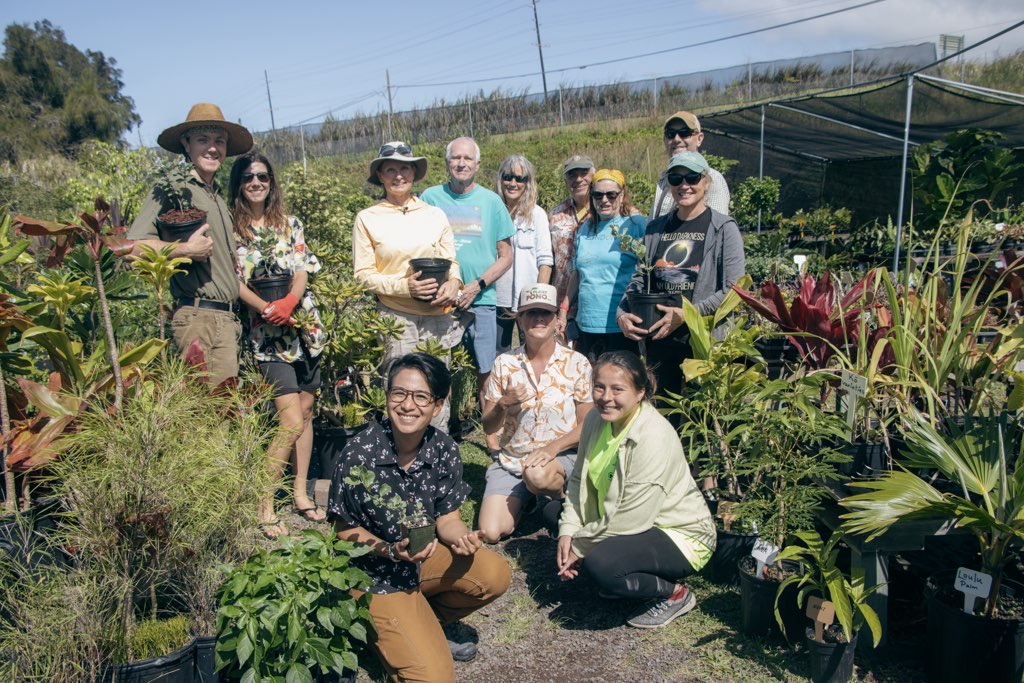
Plant Pono is well known for its website and business endorsement program. Lately, we’ve been exploring new ways to support local nurseries and achieve shared goals. We’re excited to share about our experience developing our native plant workshop program! These events are designed to empower communities with useful growing information, resources, supplies, and starter plants. This new programming supports one of our core goals: increasing awareness and appreciation of native plants and encouraging their growth across the island.
As there are many benefits to planting native where we live:
- Provides habitat for native insects, birds, and other life.
- Buffers agricultural areas, watersheds, & wahi pana (storied places) from new invasives.
- Increases knowledge, utilization, & enjoyment of native plants in our communities.
- Improves soil health and decreases soil erosion.
Unfortunately, many residents, both kamaʻāina and malihini (native-born and visitors), remain unfamiliar with native plants and are often discouraged from growing them due to this lack of experience. What better way to encourage the production, consumption, and cultivation of native species than with plant adoptions? So in 2023, thanks to a Kaulunani Urban and Community Forestry Program grant, Plant Pono launched our first pilot.
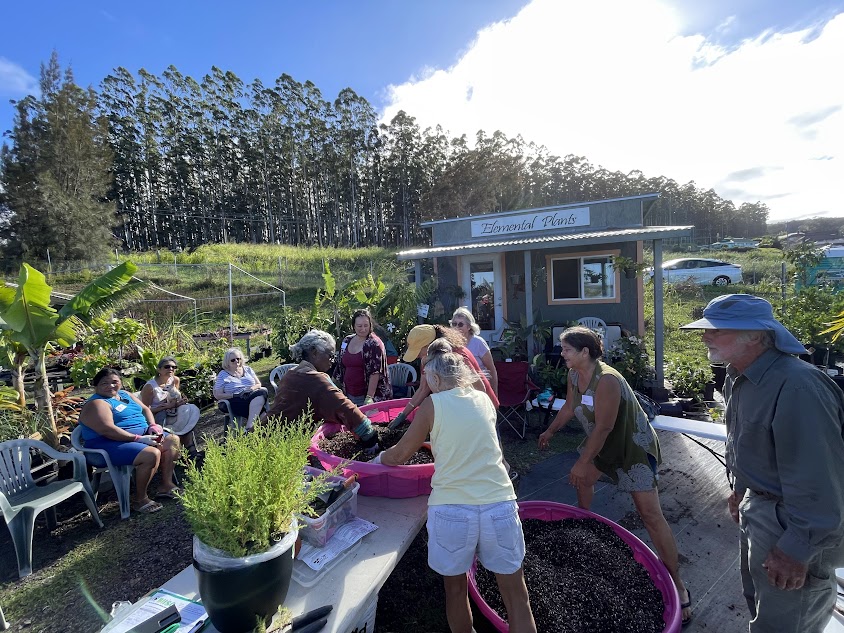
Instead of trying to convince people to go out and buy natives, we brought the plants straight to the people and held workshops at the endorsed nurseries to buy them. We kickstarted the program in April to celebrate Mahina Lāʻau Kamaʻāina or Native Hawaiian Plant Month. BIISC hosted workshops at nurseries in every district to improve accessibility for new audiences, especially in rural areas.
We cover the following topics below to give participants an idea of why planting native is important and how to do it appropriately:
- Evolution and diversity of Hawaiian flora
- Invasive species impacts on native plants
- Native plant identification
- Proper care & preferences for native plants
- Ecosystem functions & cultural connections
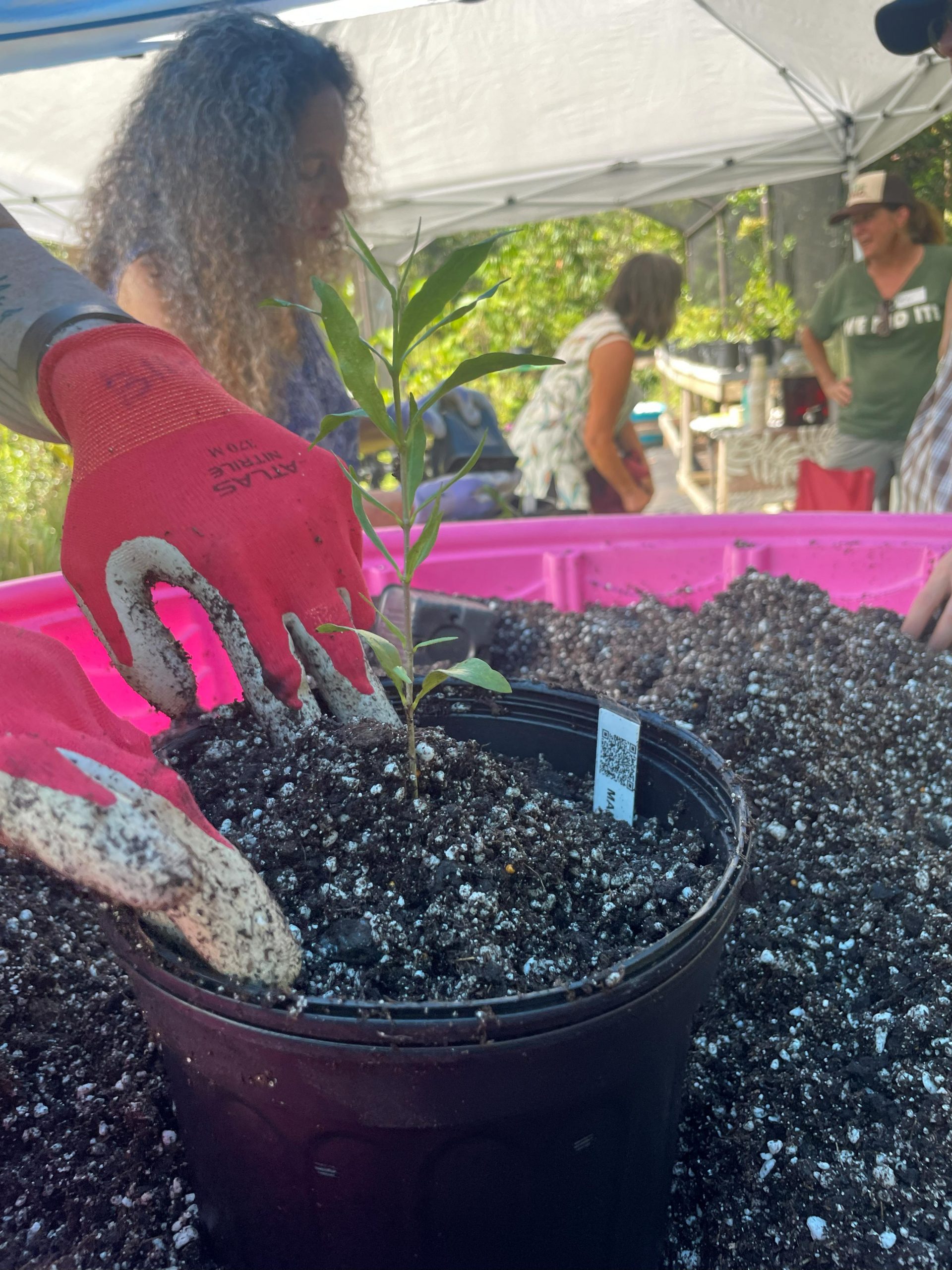
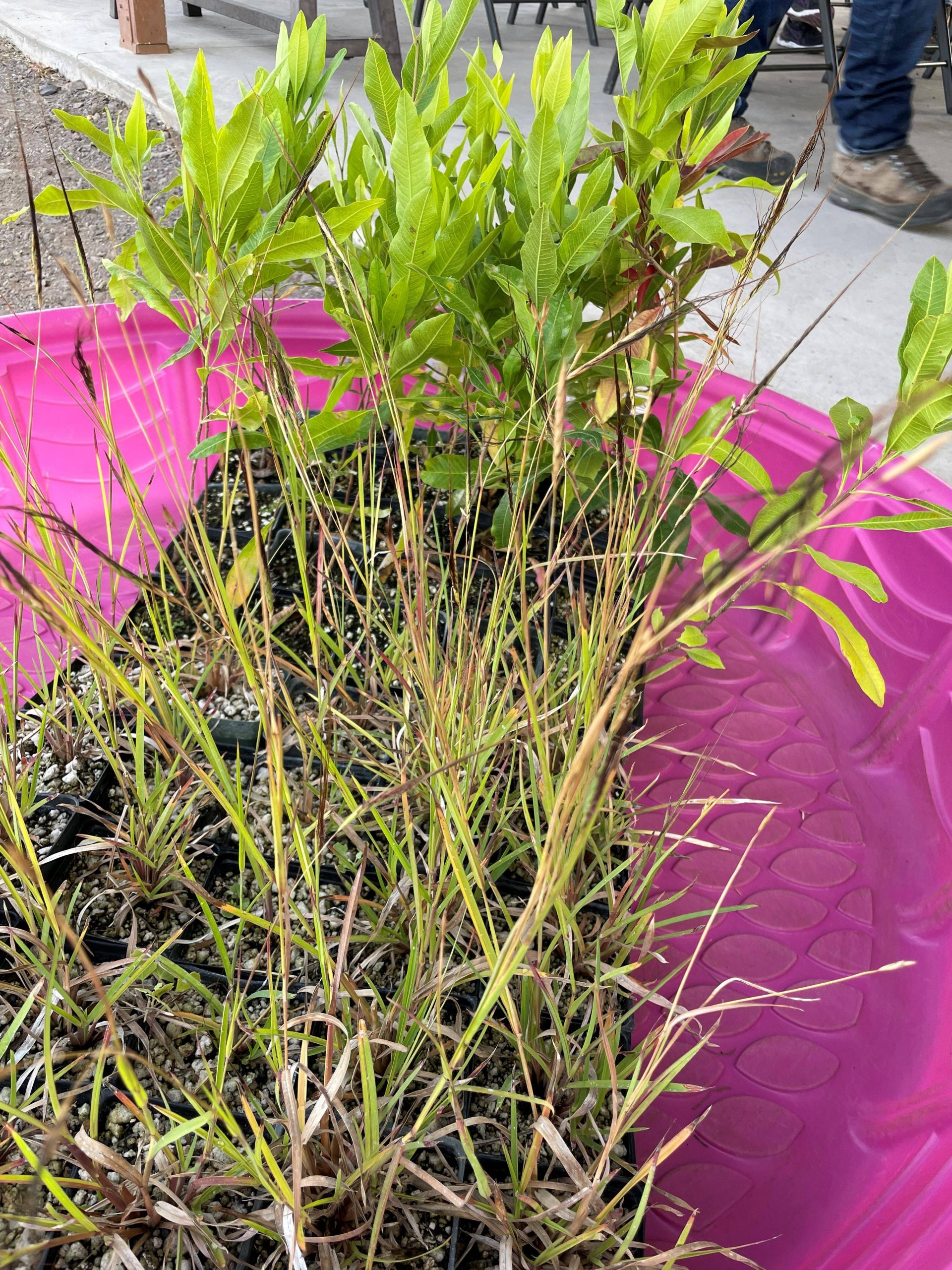
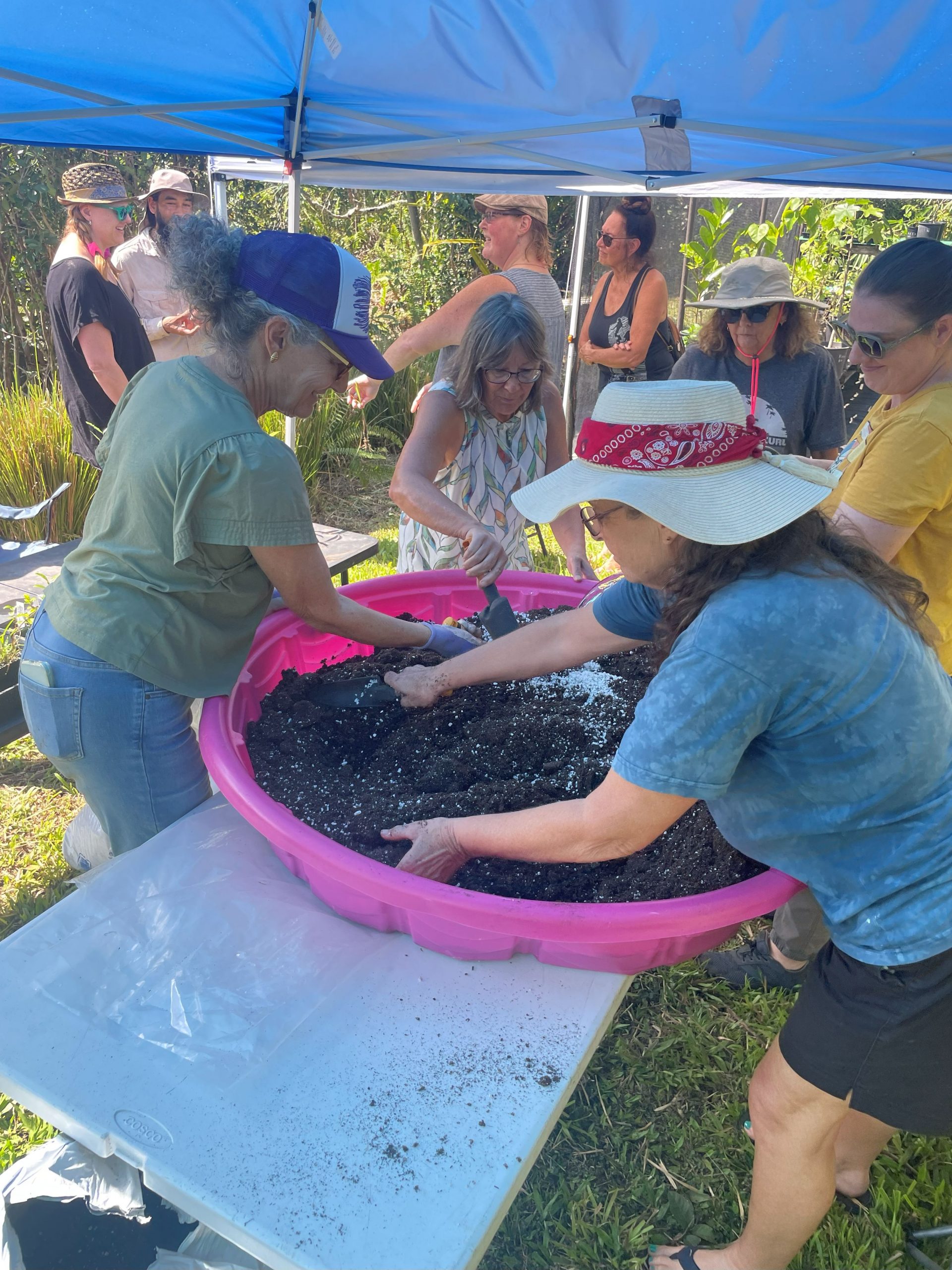
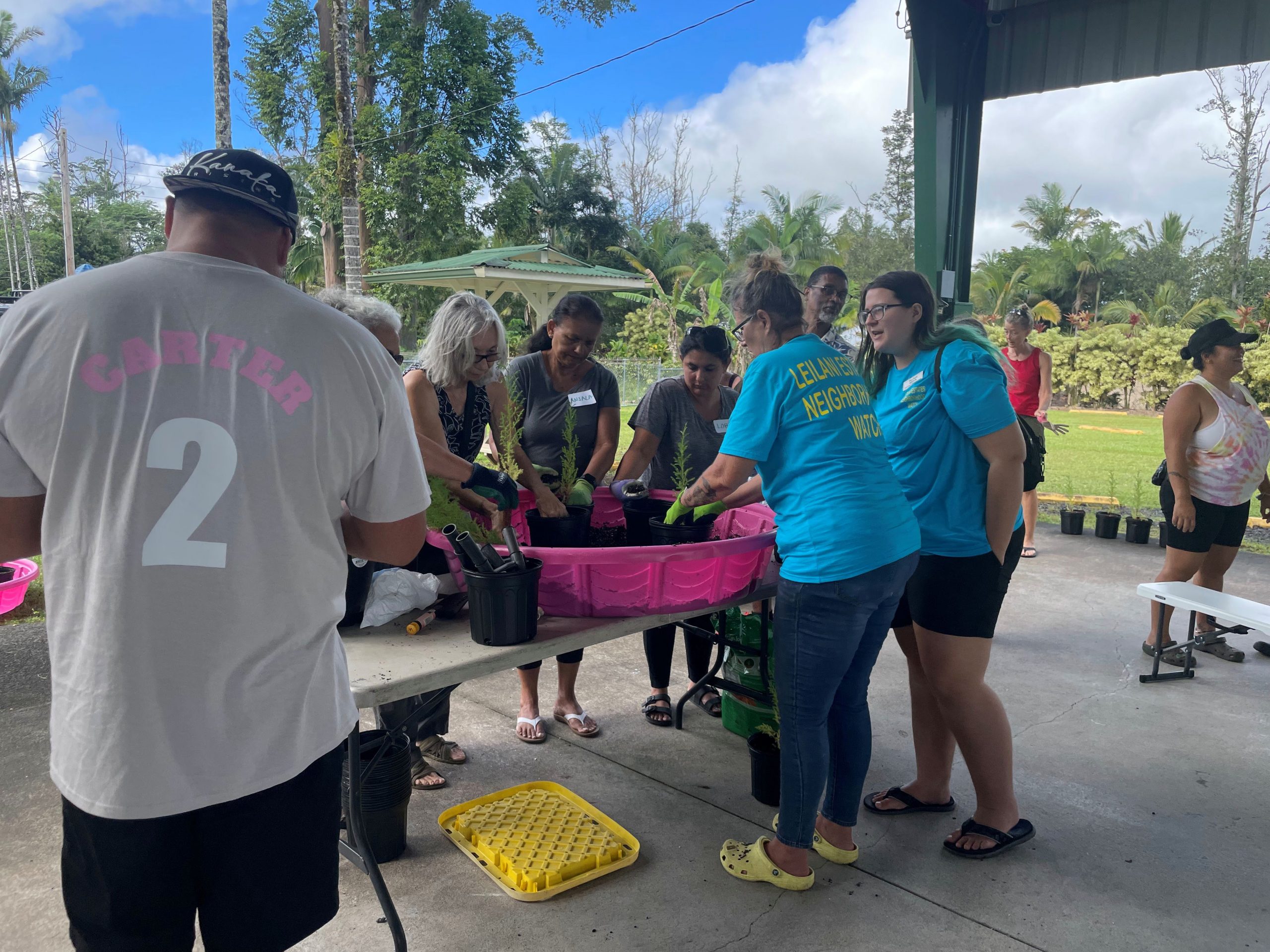
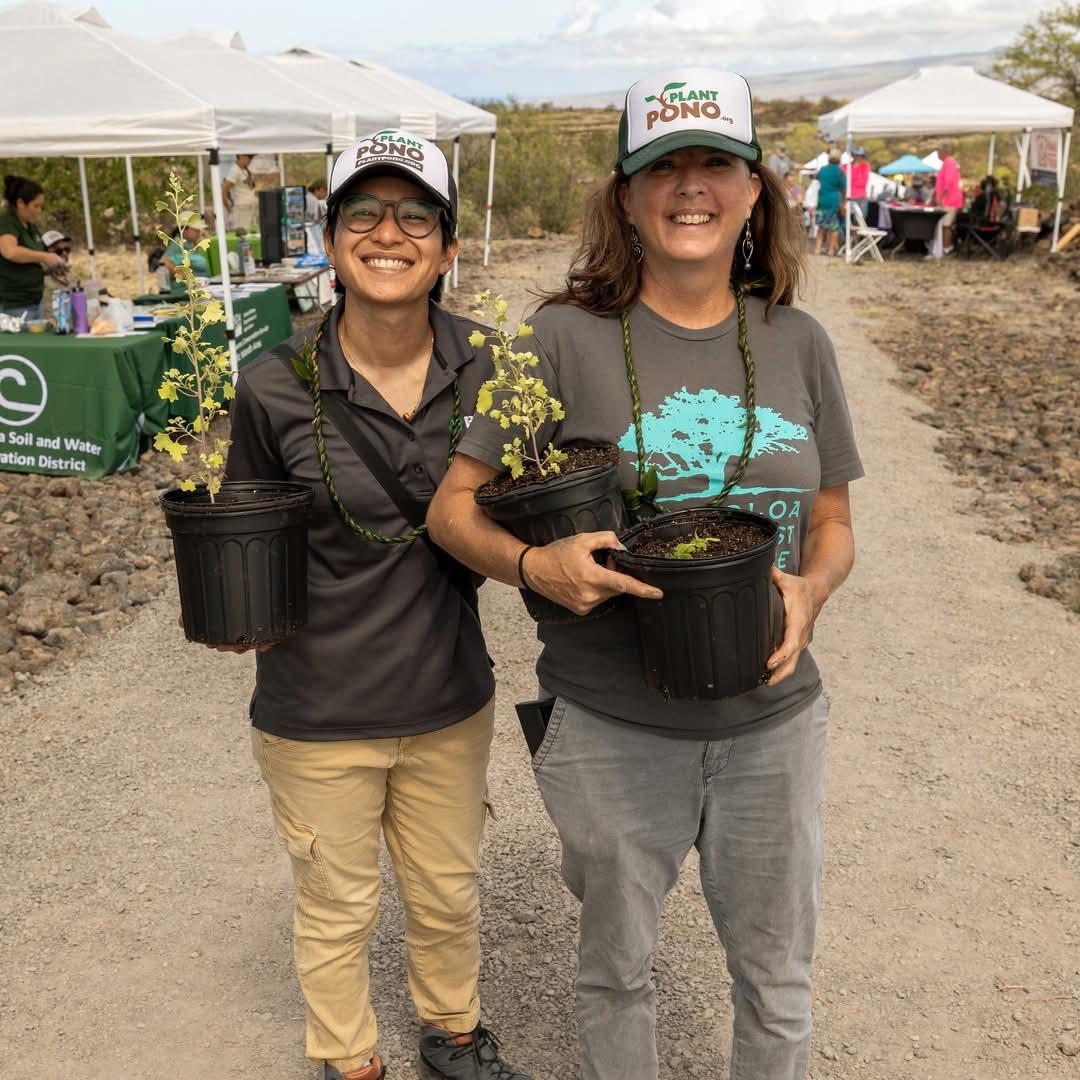
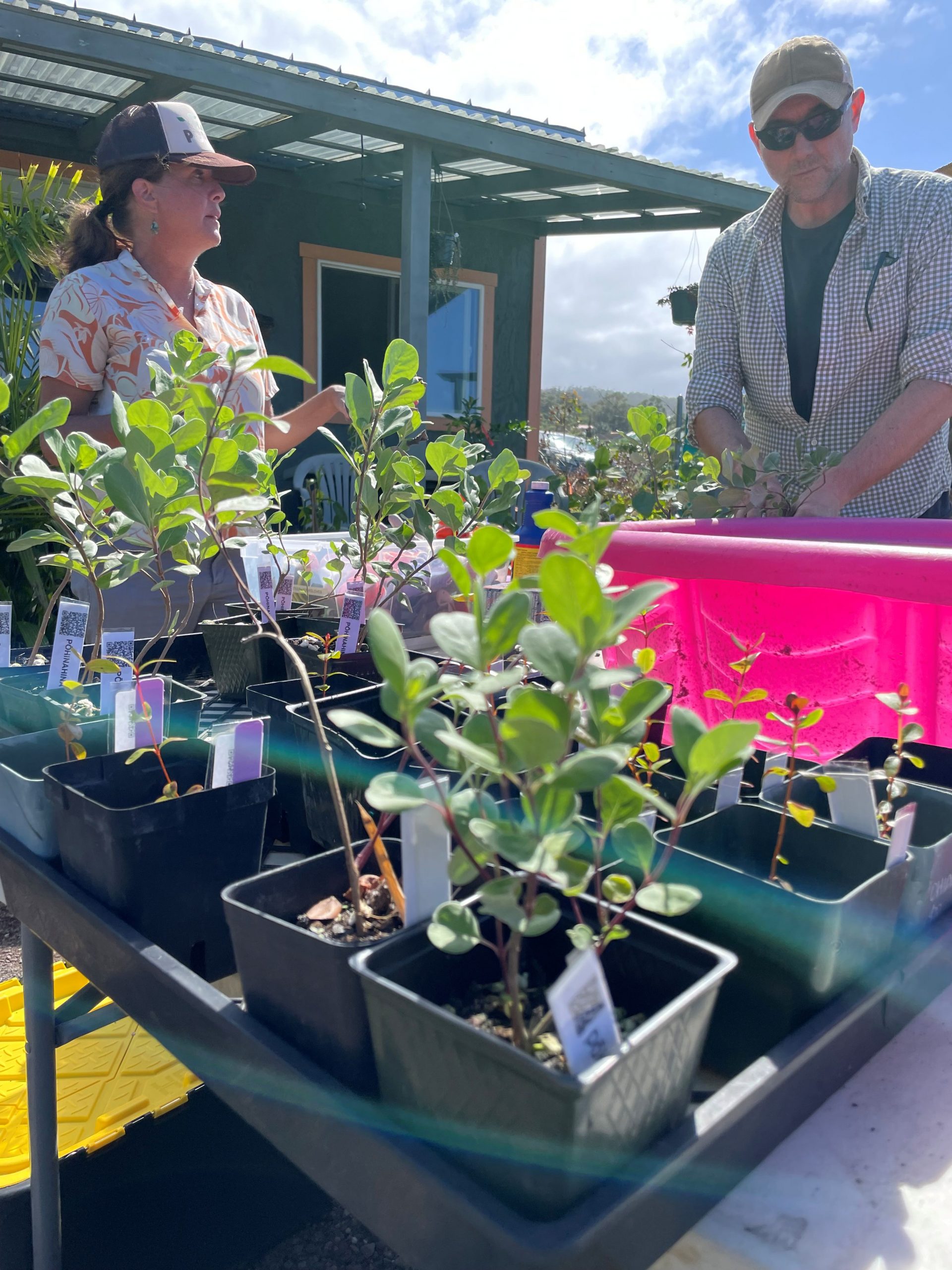
Participants then got hands-on experience up-potting native plants and mixing up well-draining soil. Through this approach, attendees foster a personal connection with their new plants and other attendees. Everyone left with several freshly potted natives and a signed adoption certificate with care instructions to encourage a sense of kuleana for their plants.
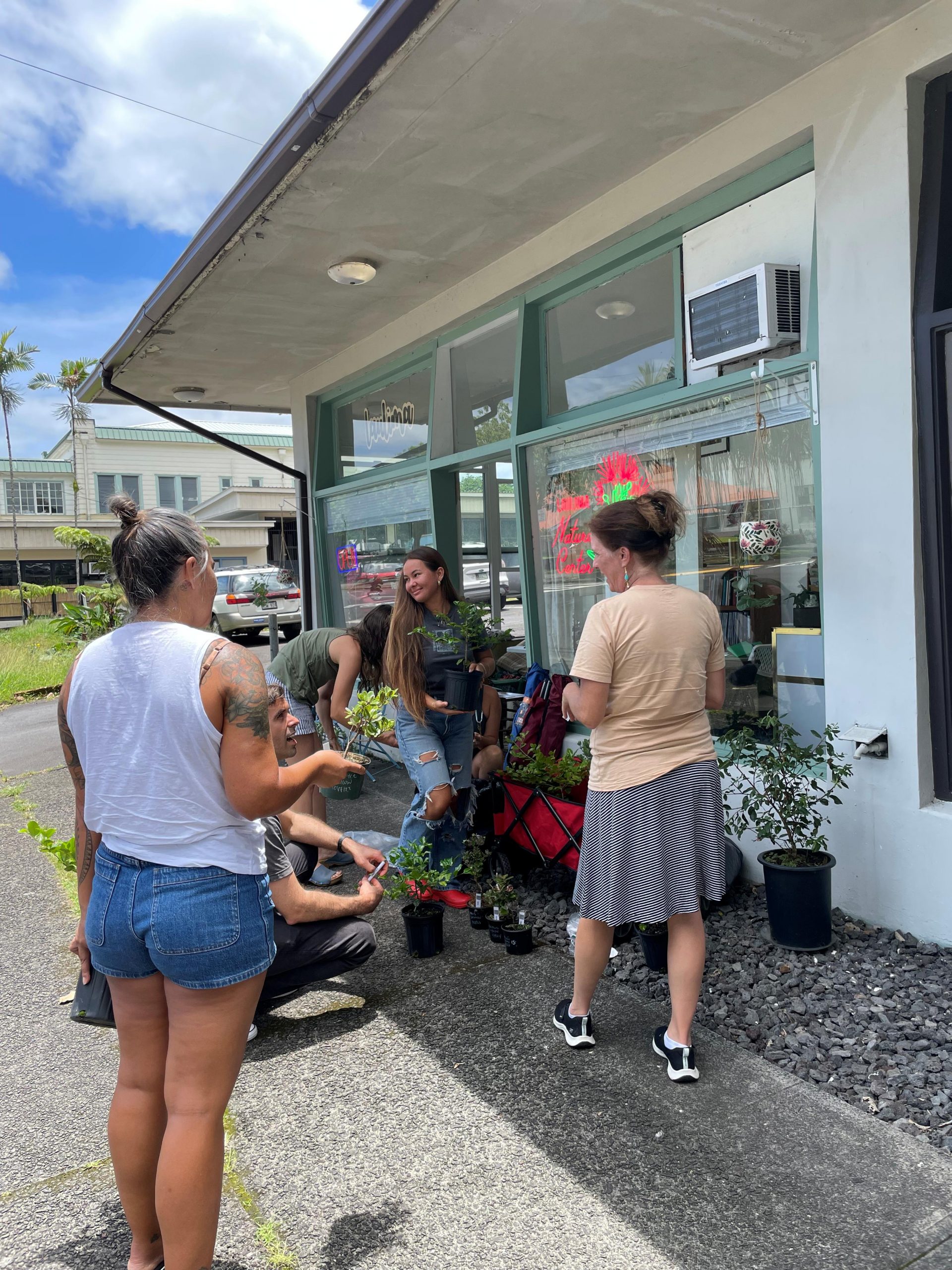
By hosting workshops at Endorsed nurseries, we fostered stronger connections between participants and these small, locally-owned businesses. Many attendees shared that they had never visited the nursery before and planned to return— with most leaving with additional plants in hand!

Several nurseries even pledged to expand their native plant offerings after seeing the enthusiastic response. These workshops were a win-win for everyone by supporting native plant production, highlighting exemplary nurseries, & strengthening community.
Native plant workshops are now a permanent part of the Plant Pono program due to lots of positive feedback and community demand. With a Hawaiʻi Tourism Authority Aloha ʻĀina (now called Kahu ʻĀina) grant, we were able to offer a dozen more workshops last year. With this funding, we were also able to assess what participants were learning. By the end of each workshop, most people could tell you how native species arrived to Hawaiʻi (wind, wings, waves) and how often native plants successfully colonized Hawaiʻi (1 every 35,000 years).
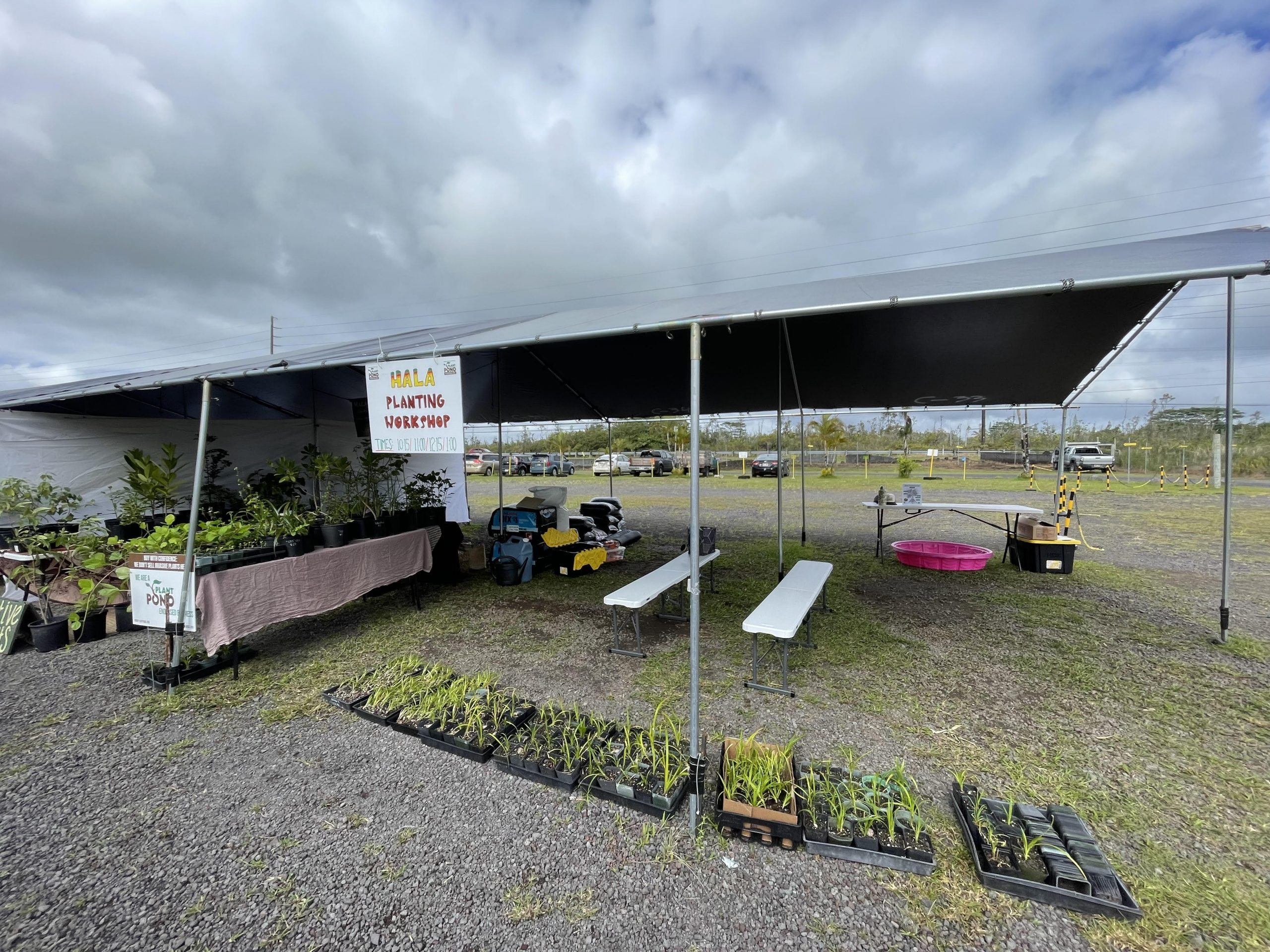
In 2025, we continue to host planting workshops in collaboration with the Division of Forestry and Wildlife. We have been so lucky to be able to grow our own native plants in the nursery with seeds we have collected. This year we have been celebrating the Year of our Community Forests, which is a DLNR-led statewide campaign to celebrate trees in the wao kanaka, where we live, learn, and play. Therefore, we’ve been trying to get more lowland natives into people’s yards. Plants like ʻaʻaliʻi, māmaki, kamani, neneleau, ʻilima, hala, and kukui.
We are very excited for whatʻs to come next with our planting workshops and hope to see you at future event! Please enjoy the gallery below, which highlights some of our past workshops.