
Aloha nui! My name is Taylor Jenkins and I’ve been working with BIISC through the Pacific Internship Programs for Exploring Science (PIPES) program to investigate the distribution, establishment, and fungal interactions of a non-native epiphytic orchid (Epidendrum nocturnum) across Puna.
Orchids belong to one of the largest flowering plant families, the Orchidaceae, and occur on every continent except Antarctica. Over 70% of orchids grow as epiphytes (plants that grow commensally on other plants) rather than terrestrial plants. Orchids have an extensive history of ornamental popularity and horticulture on Hawaiʻi Island, though only three orchid species are endemic to Hawaiʻi. Hilo town was once considered the “Orchid Capital of the World,” and events such as the Hilo Orchid Show maintain high attendance today. Due to their horticultural abundance, a growing number of non-native species have naturalized across Hawaiʻi, with 14 known species or hybrids recorded as of 2012. Despite this emerging trend of naturalization, orchids are underrepresented in invasive species globally, due to their ecological specialization and unique relationship with fungi.
All orchids form obligate symbiotic relationships with orchid mycorrhizal fungi (OMF), which provide mineral nutrients and carbon that promote germination and growth. Epiphytic orchid species may associate with one or several OMF taxa, the greater of which may increase their ability to naturalize in a variety of habitats. Species may also undergo obligatory or facultative changes with their fungal partners (switching or acquiring more fungal partners) throughout development, though this phenomenon is not well understood.
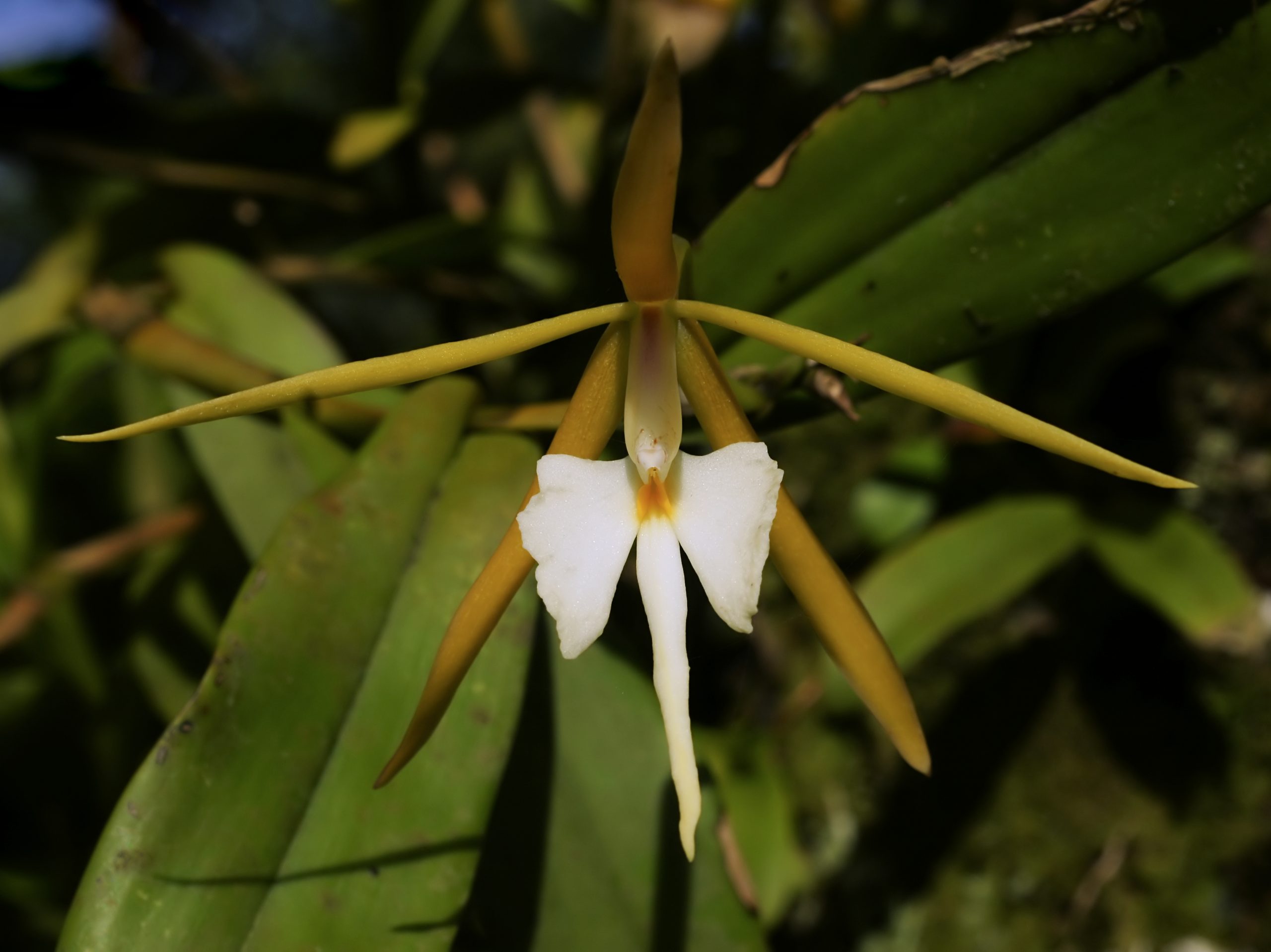
Epidendrum nocturnum, or the Night Scented Orchid, occurs naturally in Florida, Central America, and Northern South America, and has been observed by BIISC staff to be naturalizing across Puna. This species and other genera of non-native epiphytic orchids have yet to be studied formally or assessed for weed risk on Hawaiʻi Island. This project aimed to identify and assess environmental variables which are associated with orchid presence, as well as explore the connection between Rapid ʻŌhiʻa Death (ROD)-impacted forests and orchid establishment.
This study investigated the impact of bark surface texture characteristics, canopy openness, elevation, rainfall, host tree DBH (diameter at breast height), and ROD-presence on both orchid abundance and recruitment across sites. These two dependent variables tell a slightly different story, where recruitment (the number of seedlings around a mature plant) may better explain seed capture and establishment compared to abundance (the total number of mature and seedling individuals), which is a cumulative measure of orchid presence over a longer timeline.
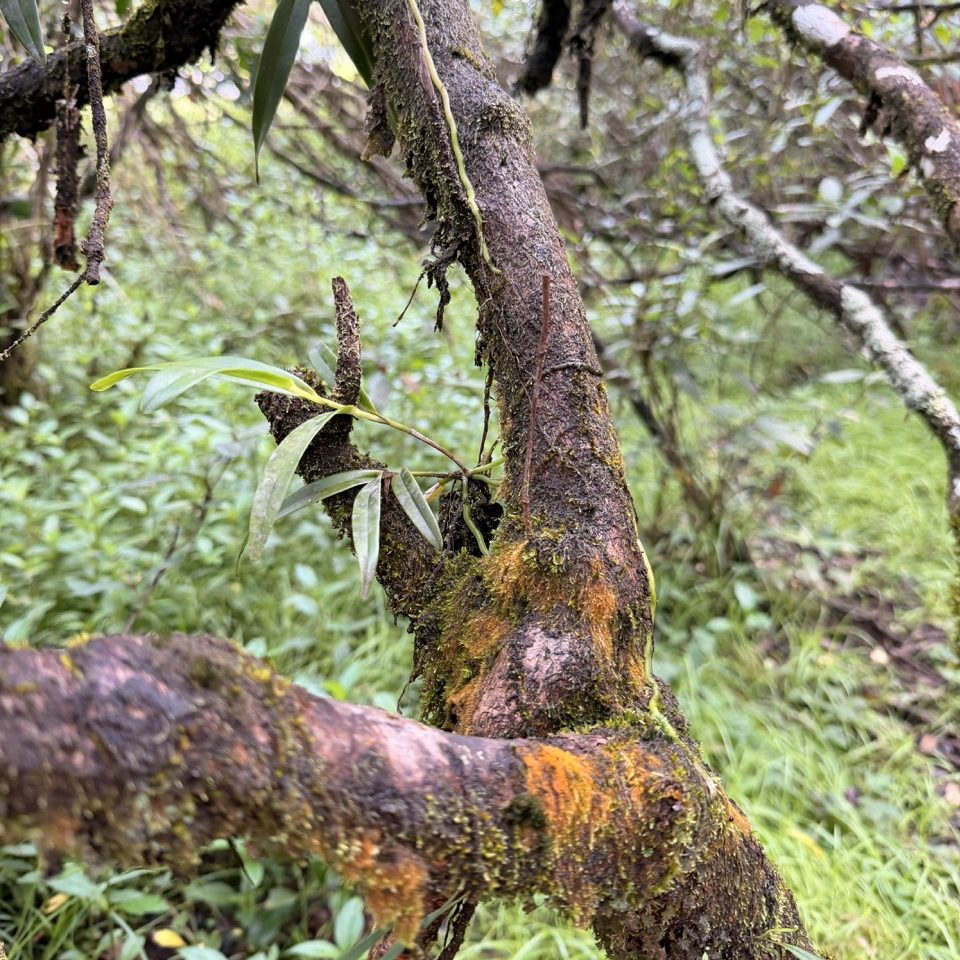
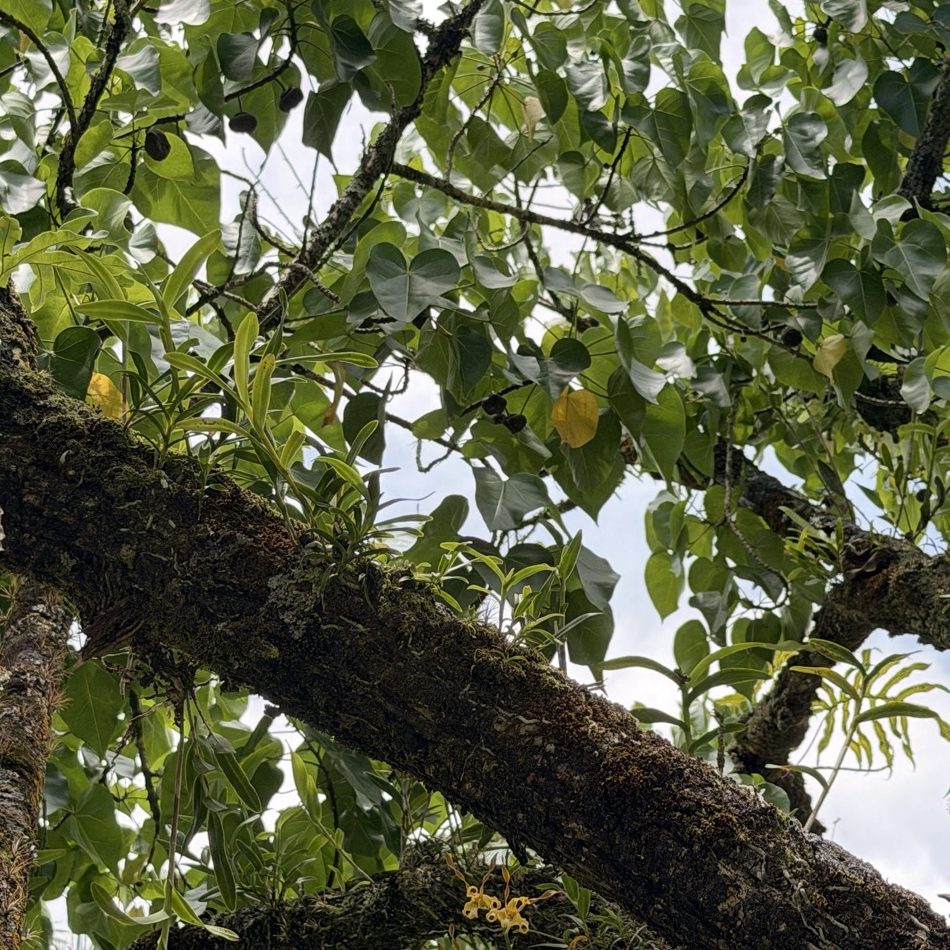
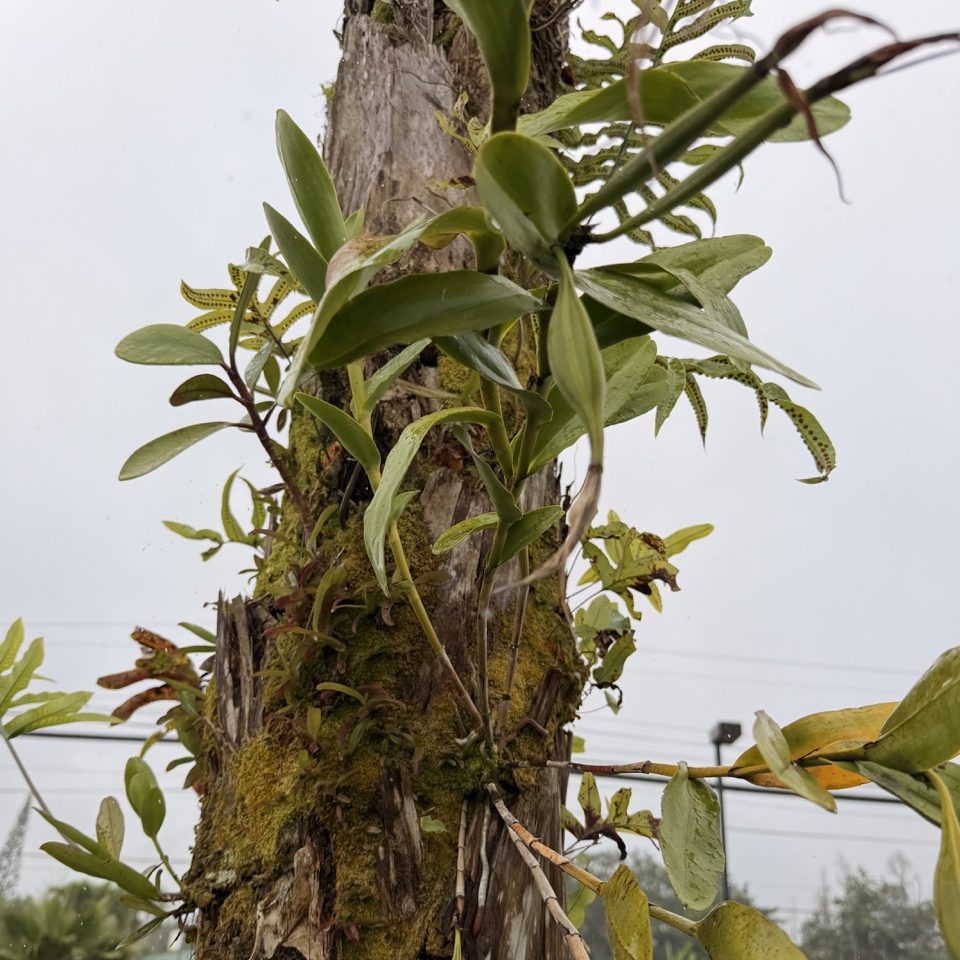
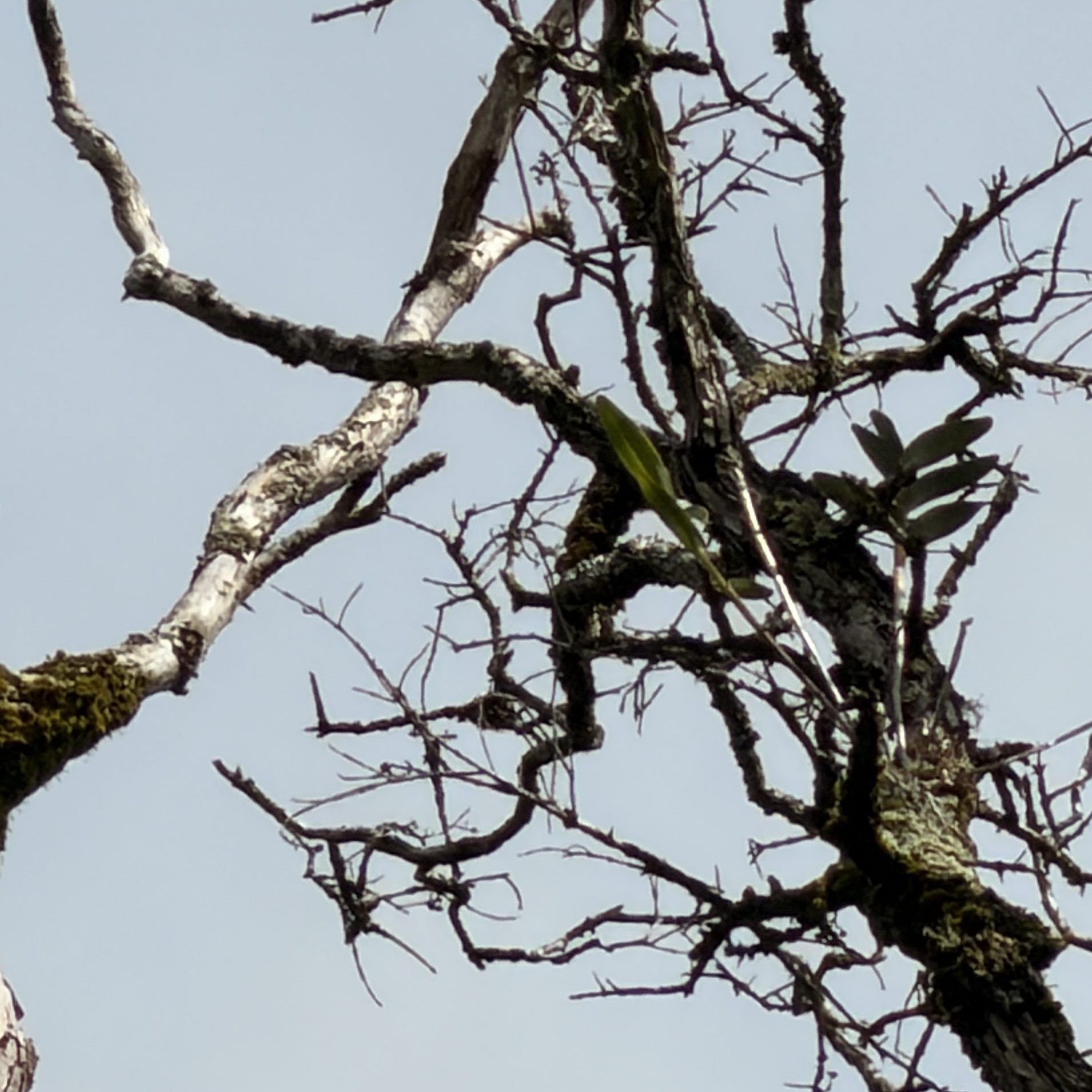
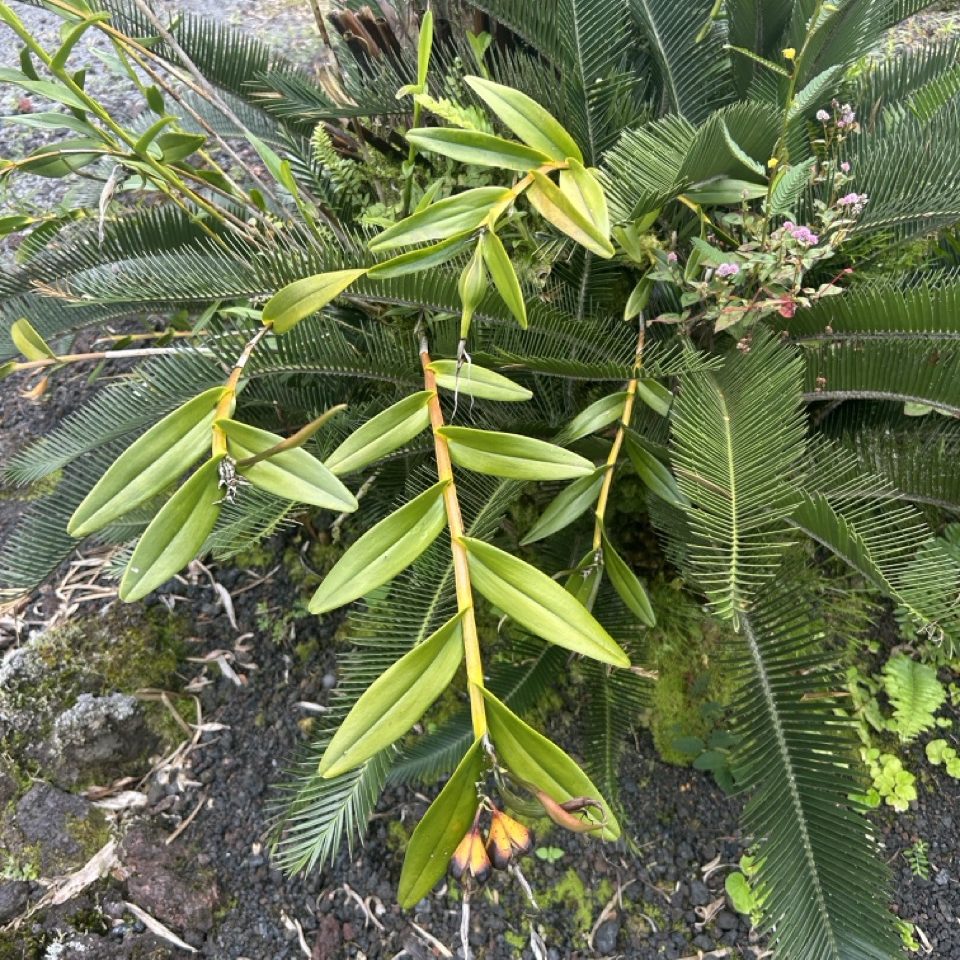
Photographs of E.nocturnum on various host trees including ʻōhiʻa lehua, milo, and Mexican fan palm.
Methods:
The project was split into two studies, one focusing on orchid recruitment, and the second focusing on orchid abundance. Both studies center around the same environmental predictor variables
Predictor Variables:
Bark Rugosity
(smooth, medium, rough)
Bark rugosity is a qualitative measure of bark roughness determined subjectively through visual analysis. Rougher bark is characterized by high surface complexity (e.g. large fissures and grooves), while smooth bark has minimal texture.
Bark Peeling Quality
(stable, partial, high shedding)
This variable is a qualitative measure of the degree of bark peeling, determined subjectively through visual analysis. Trees with high bark peeling will have missing bark and evidence of active bark sloughing. Trees with stable bark, (e.g. most palm trees) have complete and often smooth bark.
% Bark Sloughing
(<20%, 20–40%, 40–60%, 60–80%, >80%)
% bark sloughing is a visual estimate of the percentage of bark that has fallen off the tree.
Canopy Openness
(<20%, 20–40%, 40–60%, 60–80%, >80%)
Canopy openness measures the percentage of sky that is open to a point of collection (the top of an orchid). A higher percentage means greater exposure to open sky and direct sunlight. This variable was collected using hemispherical photography (180˚ camera lens) as well as visual estimation where photography was not feasible.
Elevation
(ft)
Elevation was taken from publicly available topographic data for Hawaiʻi Island.
Rainfall
(2024-2025 average) (in)
Average annual rainfall measurements from 2024 and 2025 were taken from publicly available rainfall maps of Hawaiʻi Island.
Header text
Current literature suggests that bark surface texture characteristics and light availability are among the primary limiting factors to orchid establishment, though precise germination site requirements are not well known. Several studies support that rugose and non-peeling bark may facilitate epiphyte establishment (Adhikari and Fischer, 2012; Rasmussen et al., 2015; Fernandez et al., 2026), and that certain epiphytic species may thrive under moderate to high light intensity associated with canopy openness (Adhikari and Fischer, 2012; Fernandez et al., 2026).
The ubiquity and distribution of orchid mycorrhizal fungi (OMF) is another important factor influencing germination and host tree specificity of epiphytic orchids, and may have an interactive effect with other environmental variables (Rasmussen et al., 2015; Alghamdi, 2019; Swift et al., 2019).
Study Questions:
For the recruitment-focused portion of this project, we asked the following questions:
For the abundance-focused portion of this project, we asked:
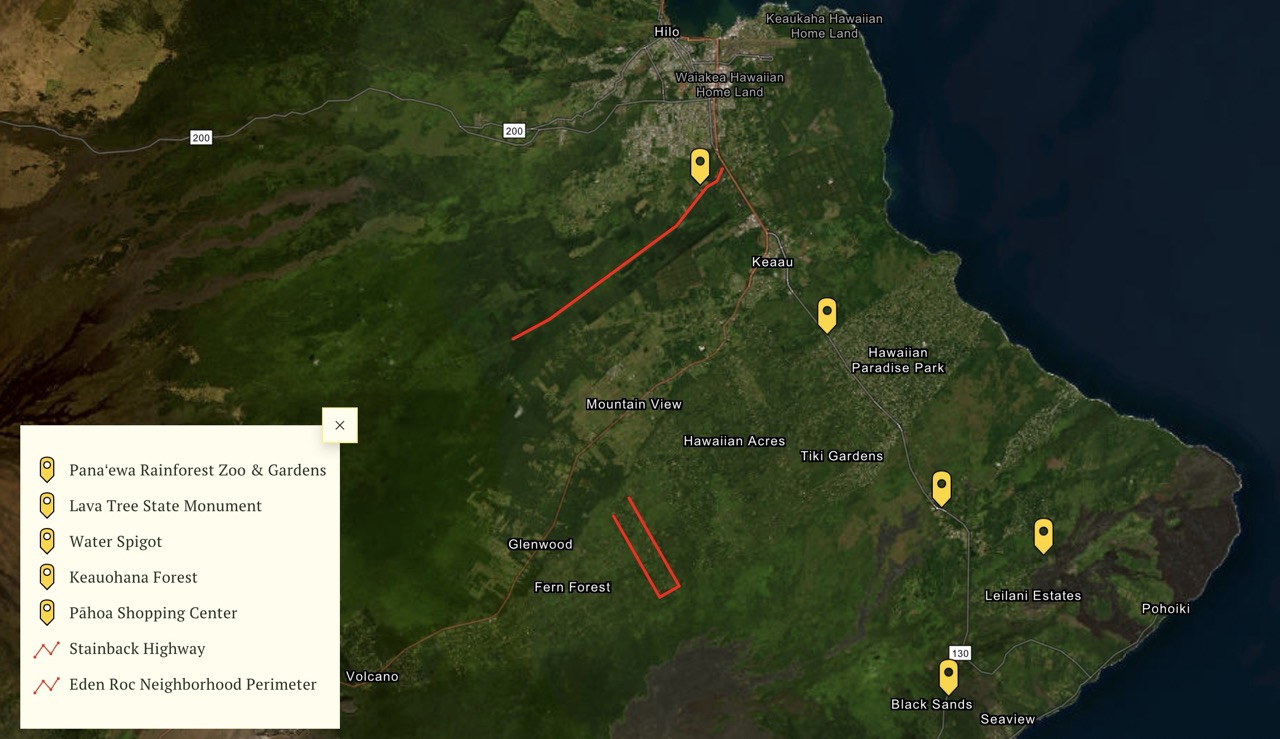
The first study of this project compared orchid recruitment between a heavily ROD-impacted ʻōhiʻa forest, and an ʻōhiʻa forest with limited ROD detection, under similar environmental conditions (rainfall, elevation, forest stand age). Fifteen GPS points were randomly selected across each study site, and the first ʻōhiʻa host tree with a mature orchid (bearing flowers or fruit) observed at each point were selected for recruitment assessment. The number of seedlings and other mature individuals on the host tree were noted, along with tree DBH, bark surface texture characteristics, and canopy openness. Bark surface texture data was determined subjectively through visual analysis. Canopy openness was measured using hemispherical photography (180˚ fish eye lens) on a smartphone and analyzed using a gap light analysis software to produce a percentage of canopy openness.
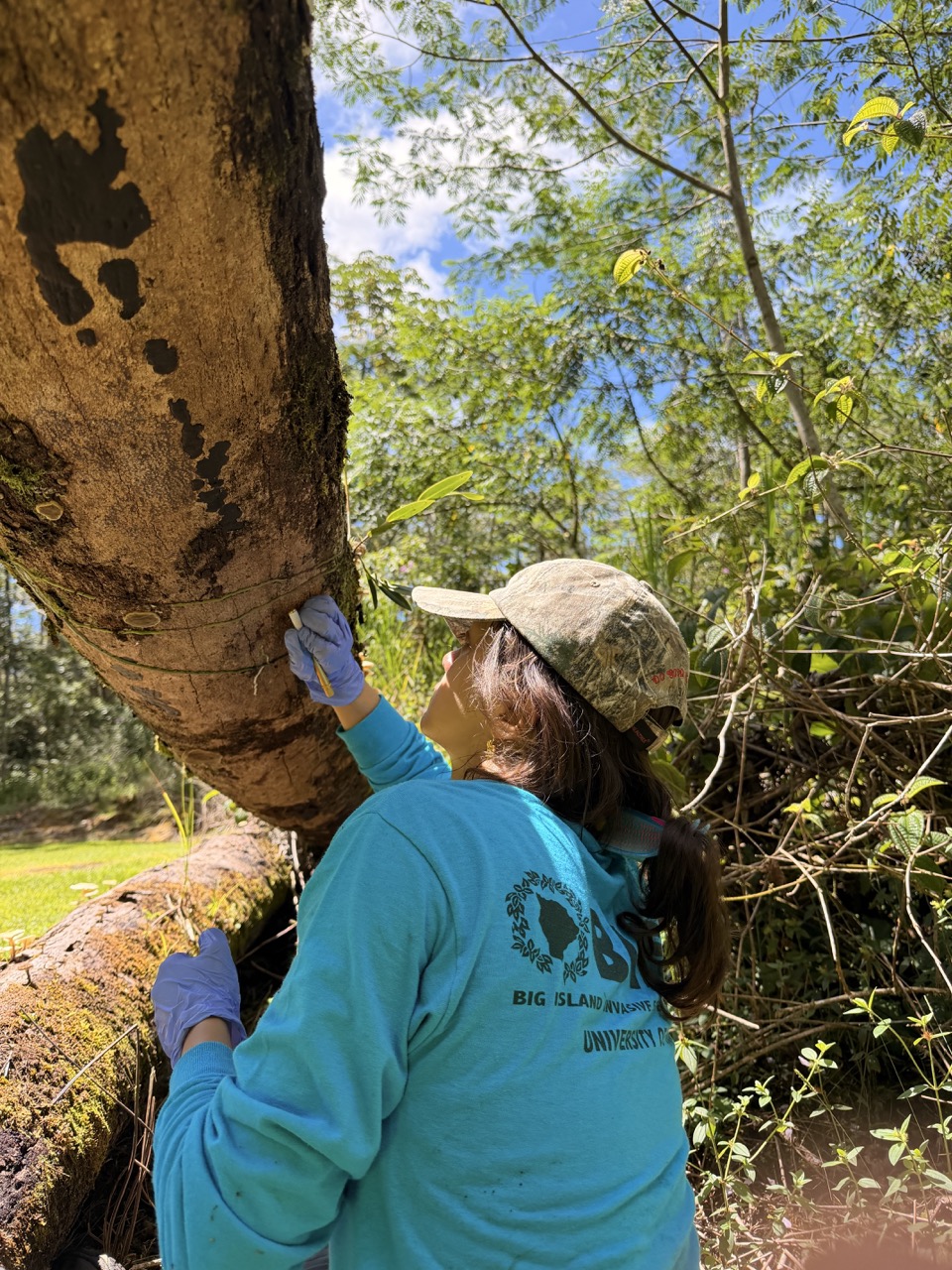
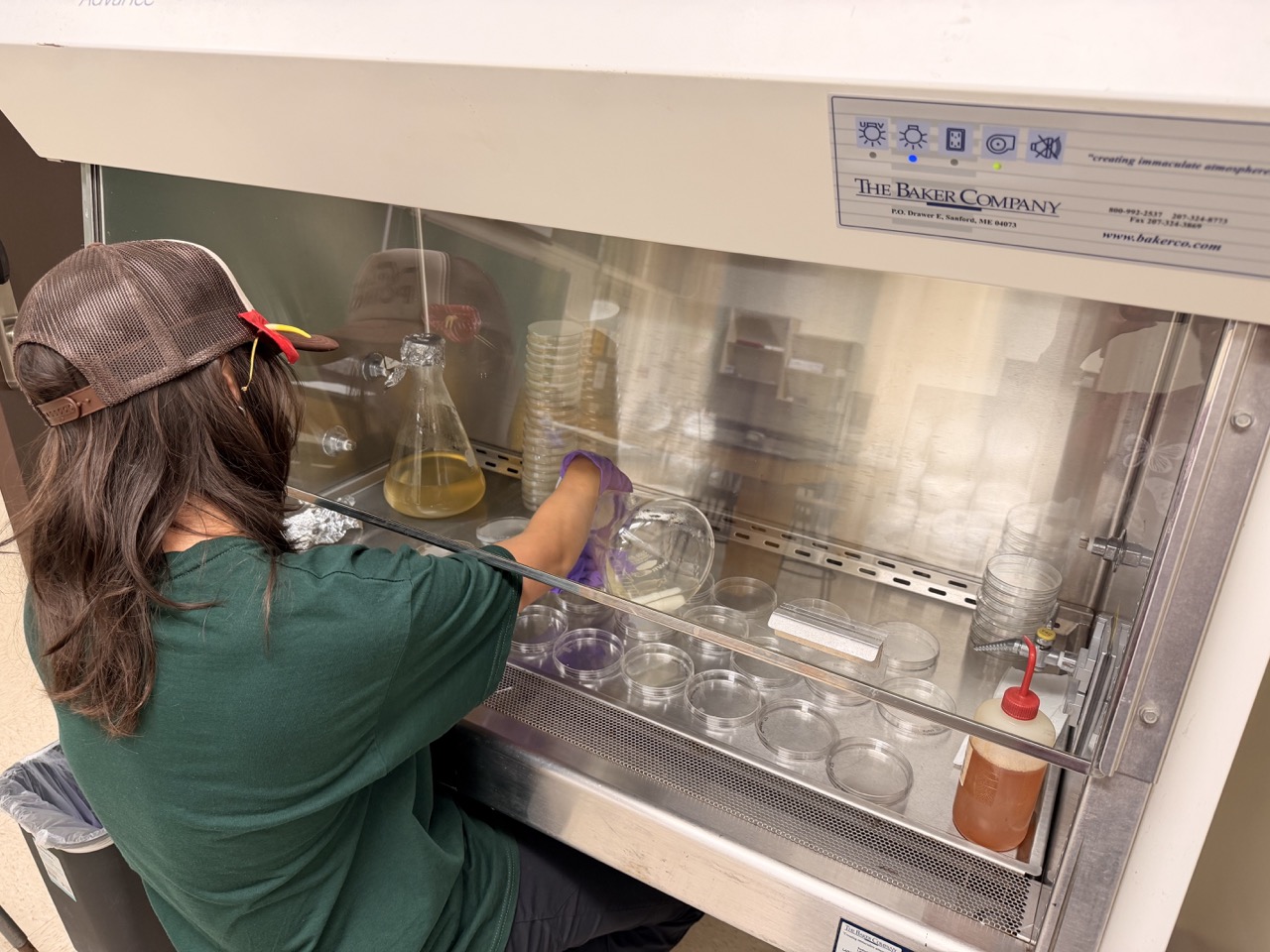
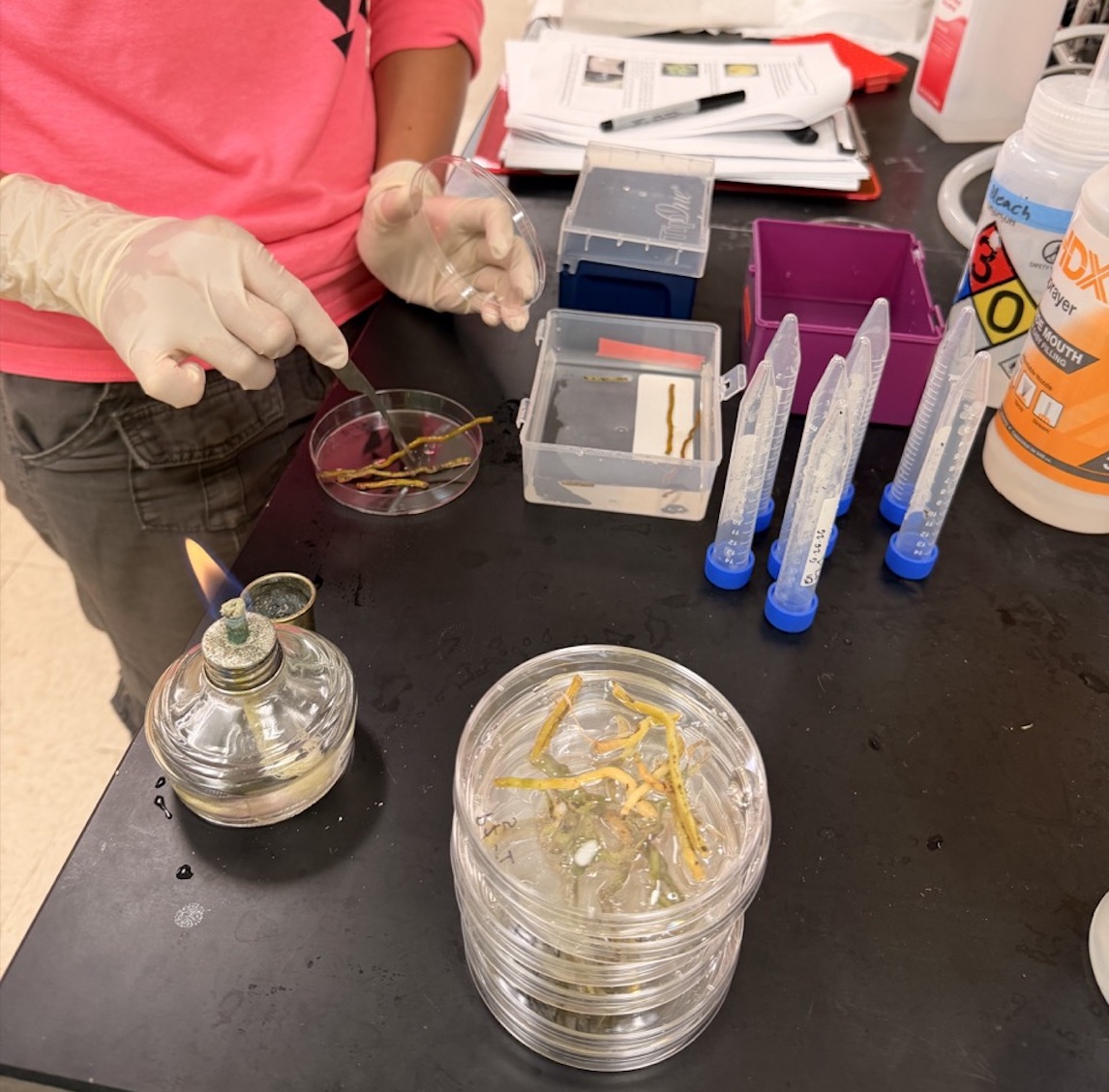
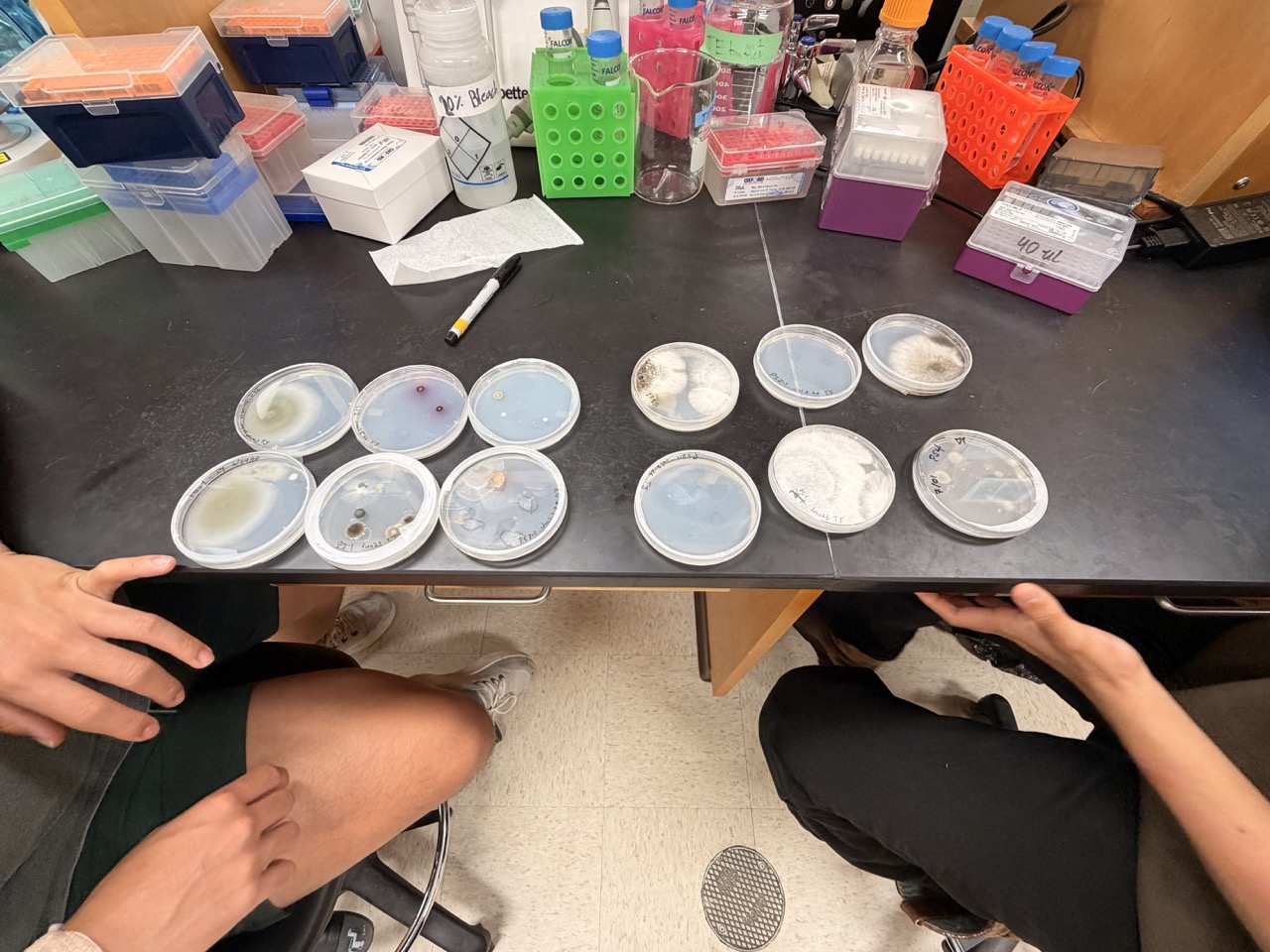
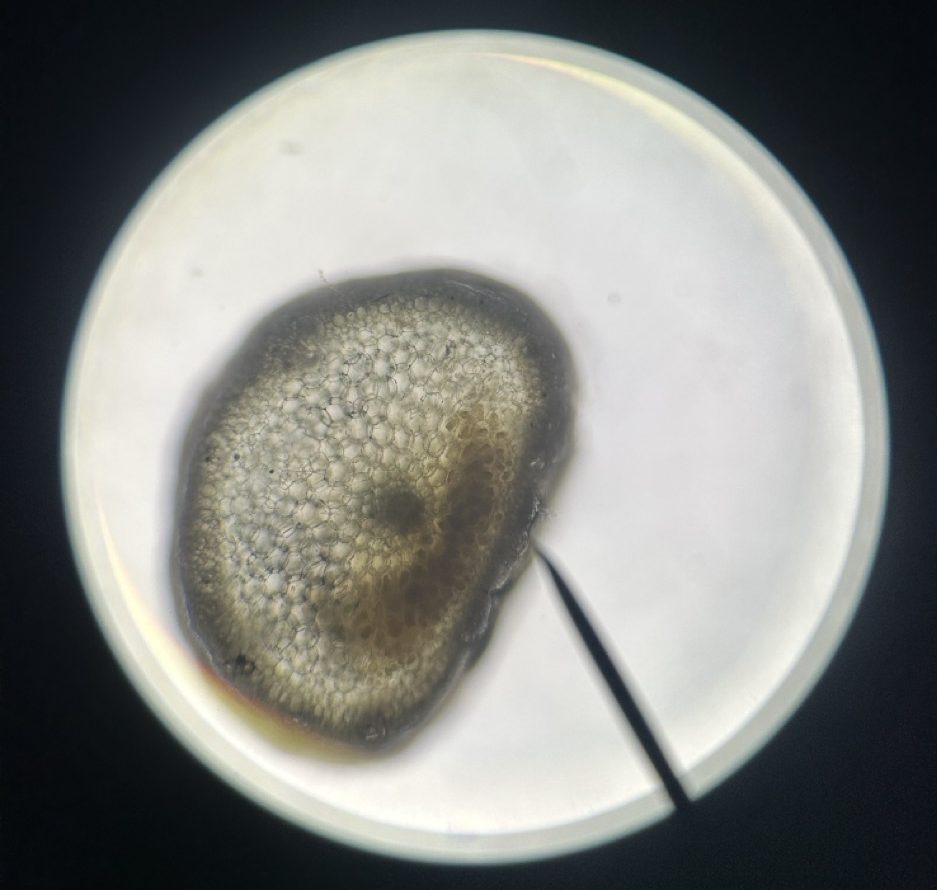
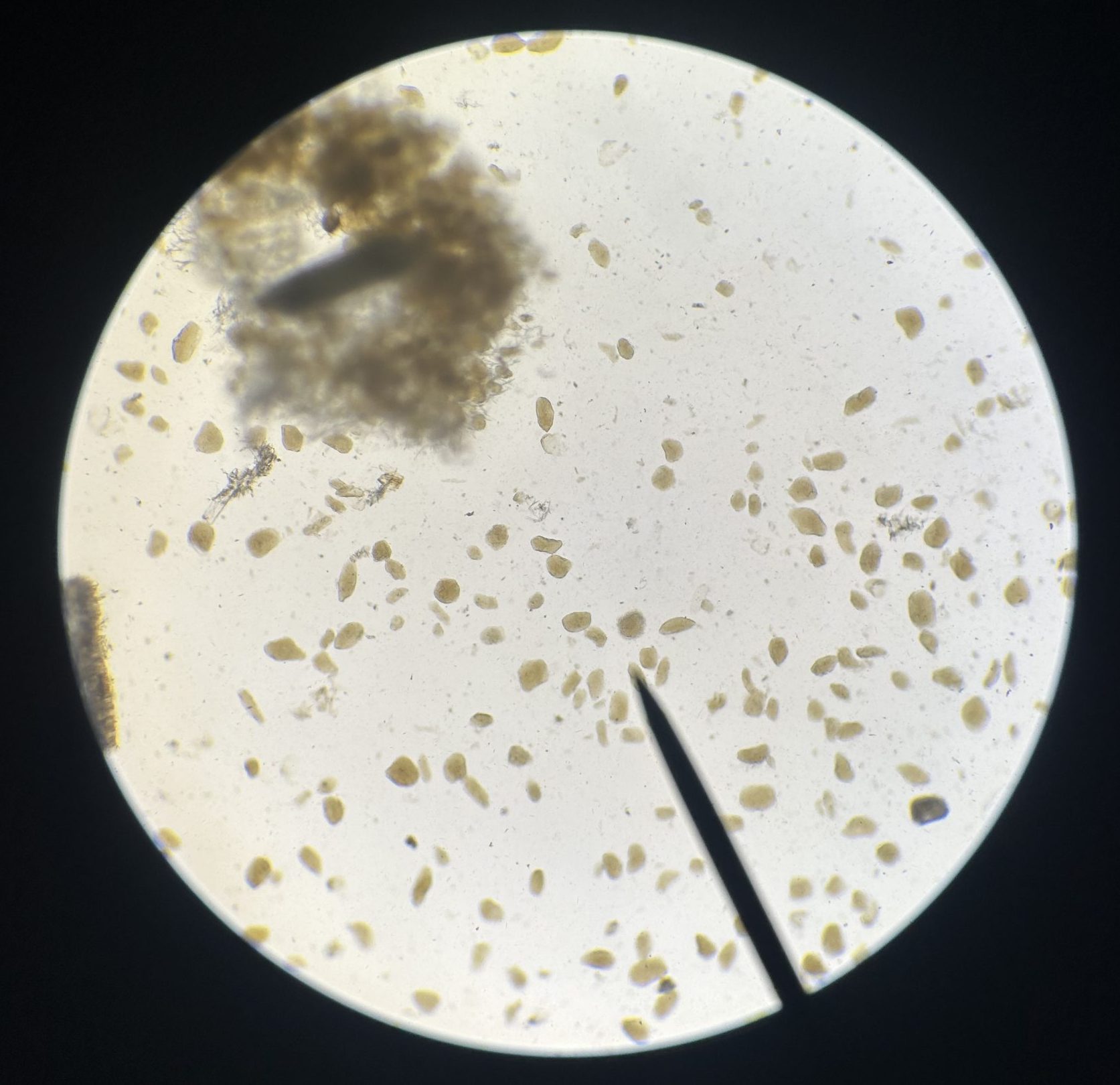
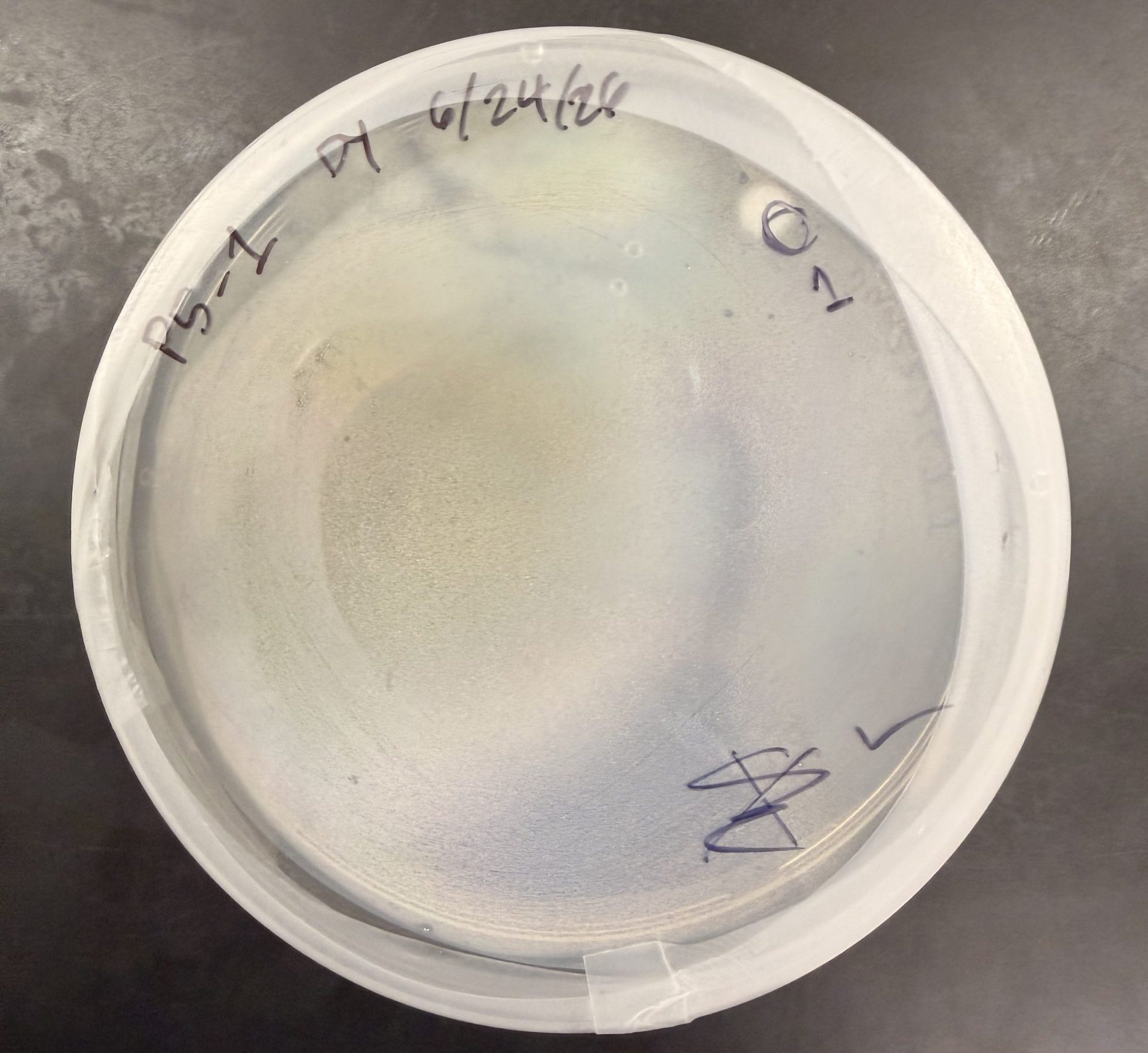
The second study of this project investigated whether bark surface texture characteristics and canopy openness influence the abundance of E. nocturnum across sites, and includes a variety of host tree species. Similarly to the first study, we collected tree DBH, bark surface texture characteristics, canopy openness, and additionally, host tree species identity. Five sites were selected for sampling across Puna based on previous observations of E. nocturnum presence. Orchid root samples were collected at four of the five sites using a protocol adapted from Fernandez et al. (2026). Fungal pelotons were isolated from root samples and grown on potato-dextrose agar plates for subsequent PCR and DNA sequencing to determine OMF identity.
Results:
This project found that elevation and rainfall were significant negative predictors of E. nocturnum presence (both abundance and recruitment), suggesting that high elevation and rainfall may hinder optimal conditions for germination and establishment of the species. Additionally, bark rugosity (rough > medium) and degree of bark peeling (high > partial) were significant predictors of orchid recruitment, suggesting that these characteristics may promote the germination and establishment of the species.
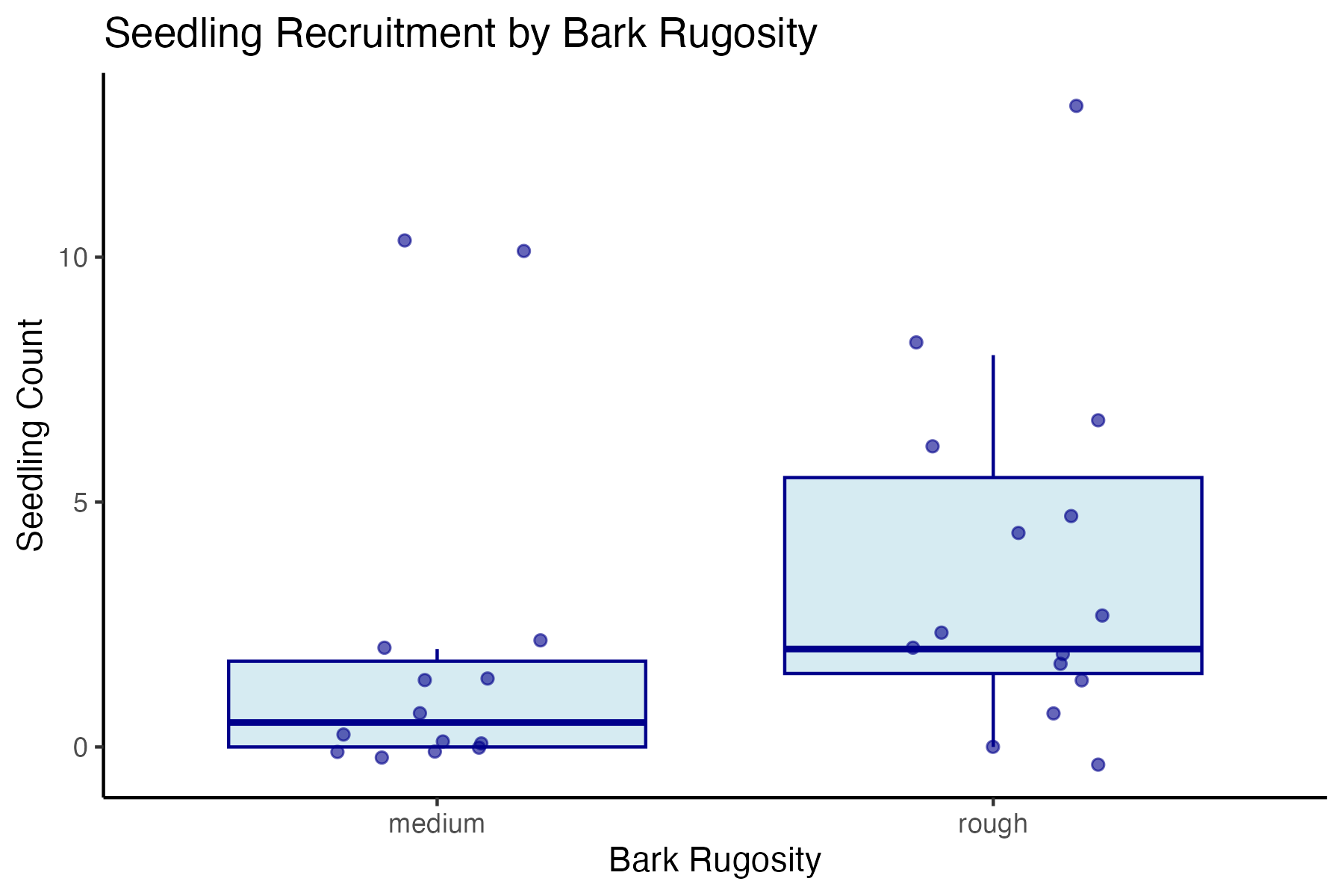
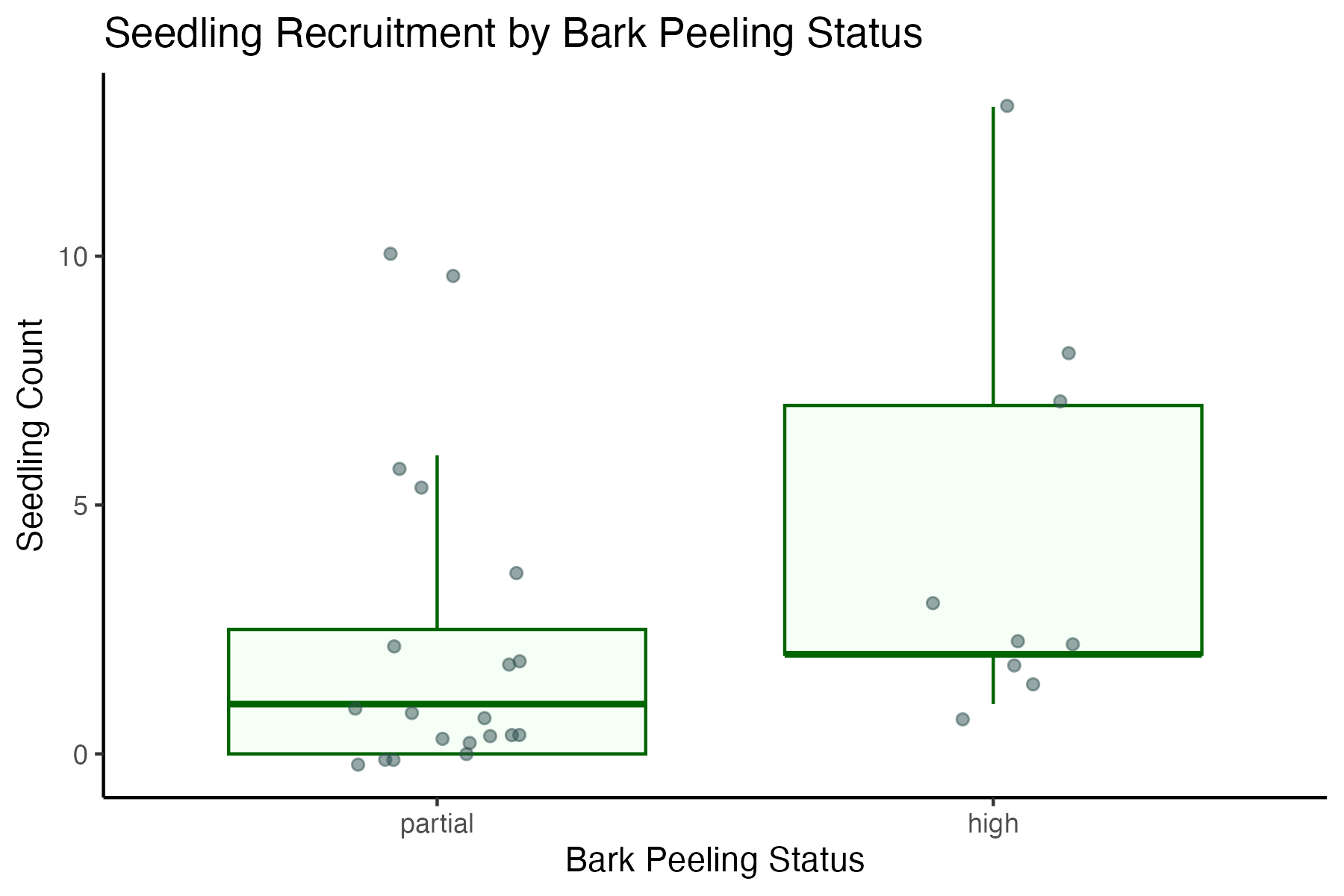
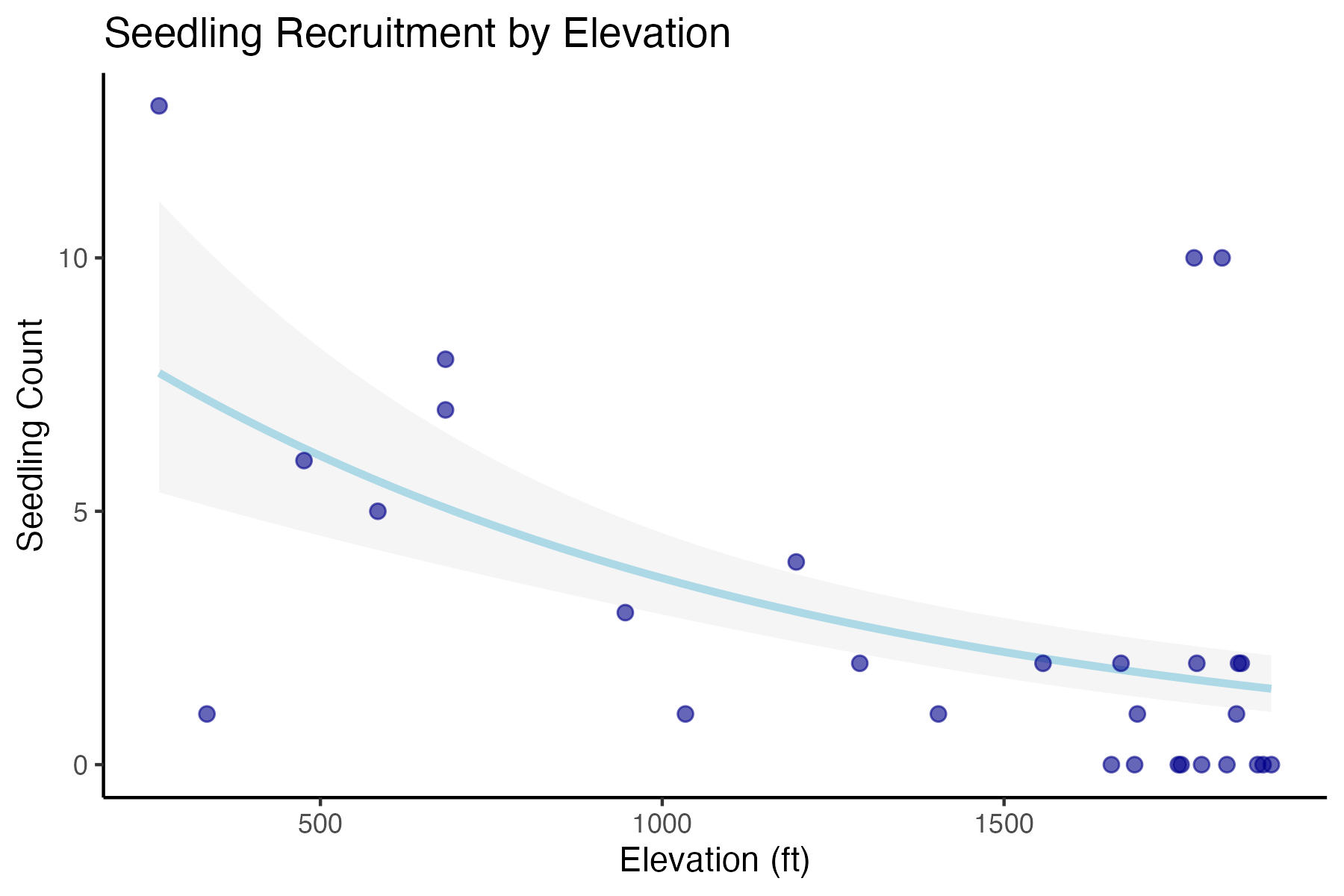
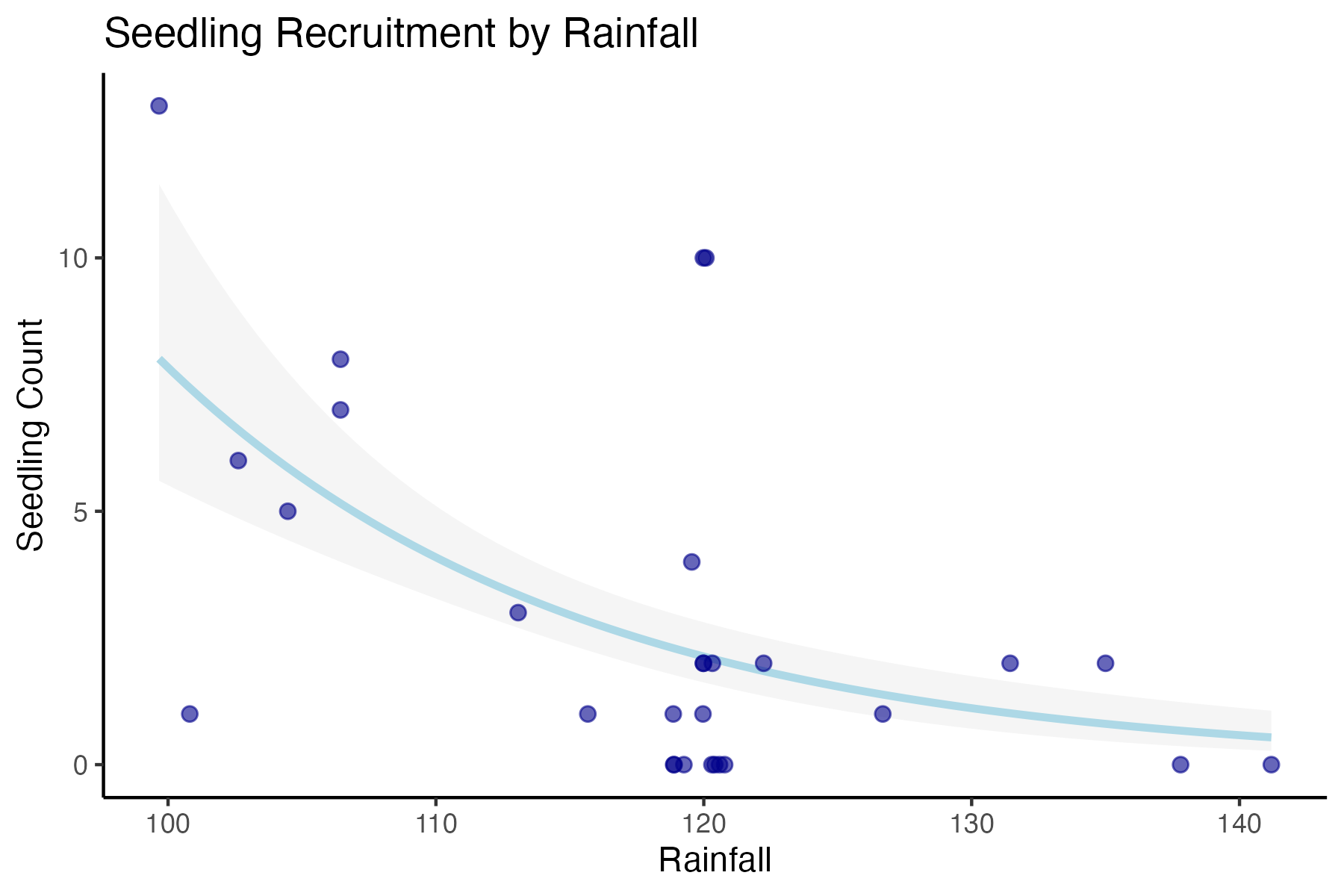
These findings carry ecological, economic, and community significance for Hawaiʻi Island. Identifying bark condition and climate as significant predictors of E. nocturnum presence provides quantitative evidence relevant to the species’ formal risk classification, as well as a foundation for future study.
DNA sequencing of peloton cultures identified two fungal taxa that are known orchid mychorrizal fungi. This results suggests a generalist strategy of fungal association, meaning E. nocturnum may have a greater propensity to spread into varied habitats as facilitated by diverse fungal partners.
For more information on this project, check out my ArcGIS Story Map here:
Contact for Inquiry
Taylor Jenkins
taylorjenks88@gmail.com
Citations
Ackerman, J. (2012, February). Orchids Gone Wild. Orchids. American Orchid Society. http://www.aos.org
Clifford, P., & Kobayashi, K. (2012). Naturalizing Orchids and the Hawaii Pacific Weed Risk Assessment System (OF-51). Honolulu, HI: University of Hawai‘i at Mānoa, College of Tropical Agriculture and Human Resources.
Rasmussen, H. N., Dixon, K. W., Jersáková, J., & Těšitelová, T. (2015). Germination and seedling establishment in orchids: A complex of requirements. Annals of Botany, 116(3), 391–402. https://doi.org/10.1093/aob/mcv087
Adhikari, Y. P., & Fischer, A. (2012). Distribution pattern of the epiphytic orchid Rhynchostylis retusa under strong human influence in Kathmandu valley, Nepal. Botanica Orientalis: Journal of Plant Science, 8, 90–99. https://doi.org/10.3126/botor.v8i0.5956
Fernandez, M. A. P., Ogura-Tsujita, Y., & Marutani, M. (2026). Mycorrhizal specialization for Tulasnellaceae fungi in Taeniophyllum marianense, a leafless epiphytic orchid native to Guam. Journal of Plant Research, 139(3), 409–424. https://doi.org/10.1007/s10265-026-01699-z
Petrolli, R., Zinger, L., Perez‐Lamarque, B., Collobert, G., Griveau, C., Pailler, T., Selosse, M. A., & Martos, F. (2022). Spatial turnover of fungi and partner choice shape mycorrhizal networks in epiphytic orchids. Journal of Ecology, 110(11), 2568–2584. https://doi.org/10.1111/1365-2745.13986
What is the HPWRA? | Plant Pono. (2020). In Plant Pono. https://plantpono.org/plant-assessments/


